
FINAL FANTASY VII
SQUARE ENIX Co.,Ltd.Role Playing
4.03.34K Reviews
- Version
- 1.1.0
- Installs
- 500.00K
- Age Rating
- Teen
Screenshots
Our Review of FINAL FANTASY VII
 Analysis by Appyee
For a role-playing game on a phone, the first question I’d ask is not whether the story is famous, but whether I can comfortably play it in the little gaps of a normal day. FINAL FANTASY VII is a substantial, story-led adventure, so it suits someone willing to settle in and keep track of a journey rather than someone looking for quick rounds. I’d also check that my device and expectations line up before paying: the Android version costs $7.99, is rated Teen, and requires Android 6.0 or later.
Where phone play can feel less straightforward
The game’s scale is part of its appeal, but it also creates friction on a mobile screen. Dialogue, exploration, menus, and battles all ask for attention, and a brief interruption can leave me wondering what I was doing when I return. I wouldn’t treat every spare minute as a good play session; a quiet stretch is better for following the story and making deliberate choices.
There is also an adjustment period if you’re used to newer role-playing games. The original’s visual style is unmistakably from another era, and its presentation is not the same as the modern remake. The Android release is the classic game, not the remake, so I would choose it for the original adventure and its older look—not for contemporary graphics or a retold version of the story.
Simple checks before settling in
The Android edition comes from SQUARE ENIX Co.,Ltd., and the current version is 1.1.0. Before buying, I’d confirm that the phone meets the Android requirement and that I have a comfortable way to hold and operate it for longer sessions. Those basic checks matter more here than they might for a lightweight puzzle game, because a long RPG can turn an awkward control setup into a recurring annoyance.
I’d also make room for the game mentally, not just on the device: this is a story with a large cast, shifting goals, and a world that rewards paying attention. If I’m starting after a long break, I’d take a moment to review the current objective and party setup before pushing ahead. That small pause makes it easier to get back into the flow than rushing into a fight without remembering what I had planned.
Recovering your rhythm after interruptions
When a session gets broken up, I find it useful to stop at a natural pause rather than in the middle of a conversation or a battle. Before putting the phone down, I’d note the immediate goal in plain language—where I’m headed, who needs attention, or what I’m trying to accomplish. That simple habit is especially handy in an RPG where exploration and story scenes can blend together.
If something feels wrong, I’d first return to the game calmly and check what is actually happening before changing settings or restarting a long section. A confusing encounter may be a sign that I need to adjust Materia, revisit my party choices, or think differently about the ATB timing, rather than evidence that the game has stalled. I’d avoid assuming that every unexpected result is a technical problem.
Welcome to Midgar: A Journey Begins
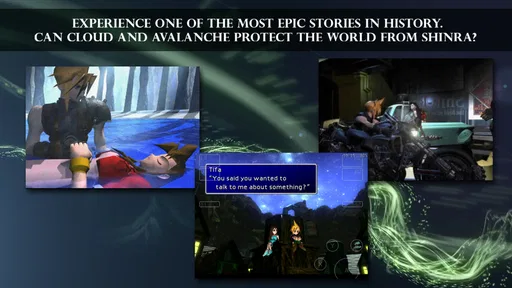
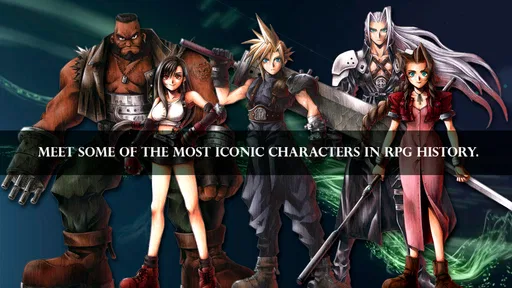
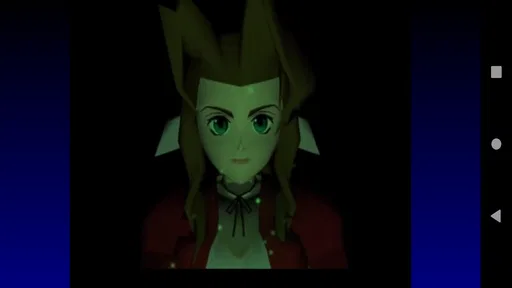
Right off the bat, FINAL FANTASY VII throws you into the bustling, tech-driven city of Midgar. You’re tagging along with Cloud Strife, a brooding ex-SOLDIER turned mercenary. The story kicks off with a bang as you join AVALANCHE, an eco-terrorist group, in their fight against the sinister Shinra Corporation, which is sucking the planet dry of its life energy, Mako.
The game's narrative is a rollercoaster, filled with twists, turns, and heart-wrenching moments. It’s not just about saving the world; it’s about personal growth, friendship, and uncovering the mysteries of Cloud’s past. Trust me, you’ll be hooked from the first mission!
Gameplay: More Than Just Turn-Based Combat
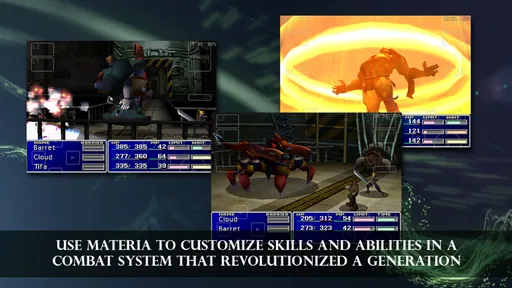
If you’re thinking this is your standard turn-based RPG, think again! The game introduces the Active Time Battle (ATB) system, which adds a layer of strategy to each encounter. You’ve got to think on your feet and make choices that can turn the tide of battle in your favor.
Character customization is a big deal here. The Materia system allows you to equip magical orbs that grant various spells and abilities. This means you can tailor your party's skills to fit your playstyle. Whether you want to go all-out offensive or have a balanced team with healing capabilities, the choice is yours.
Getting more from battles without turning preparation into a chore
The most useful way I’ve found to approach Materia is to think about the next stretch of play, not build a supposedly perfect setup. If I’m heading into unfamiliar encounters, keeping healing available and spreading useful abilities across the active party gives me room to respond when a fight goes differently than expected. I also like to check equipment after a character joins or a major story beat changes the party; a strong setup from earlier can become lopsided as roles shift.
Materia choices are a trade-off, not a free upgrade. Moving an orb to one character can leave another without an ability I had come to rely on, so I’d make a change with a specific reason and then test it in ordinary encounters before committing to a tougher stretch. If battles are dragging, I’d look at whether the party is using its available options effectively before assuming that grinding is the only answer.
ATB also makes attention matter. I wouldn’t queue actions thoughtlessly while an enemy is about to act; pausing briefly to read the situation can be more valuable than selecting the first available attack. This is a good fit for players who enjoy planning under a little pressure, but less appealing if they want combat that can be ignored while doing something else.
A Visual and Audio Feast
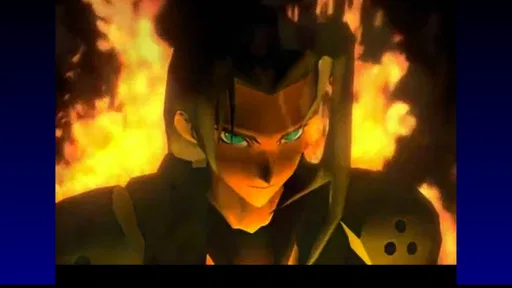
Even though FINAL FANTASY VII originally came out in the late '90s, the visuals still hold a certain charm. The pre-rendered backgrounds and polygonal characters create a unique aesthetic that’s both retro and timeless. Plus, the remake has given it a modern makeover, bringing the characters and world to life in stunning detail.
Now, let’s talk about the music. Nobuo Uematsu’s soundtrack is nothing short of iconic. From the adrenaline-pumping battle themes to the serene melodies of the overworld, each track is crafted to enhance the emotional impact of the story. I dare you not to get chills when "One-Winged Angel" kicks in!
Choosing the right version and expectations
The distinction between the classic Android release and the remake is important when deciding what to play. The classic has the structure and presentation described here, including its older character models and pre-rendered environments; it should not be judged as though it were the remake’s modern reinterpretation. If you want to see where this particular story and style began, the older presentation is part of the experience. If modern visuals are the deciding factor, the remake is the more natural alternative, though it is a different version rather than an upgrade inside this Android game.
The soundtrack is another reason I’d play with attention rather than treat the game as background noise. Its shifts between tense battles and quieter stretches help make the journey feel coherent, and familiar tunes can make returning after a pause easier. On the other hand, someone who prefers short, self-contained sessions may find the extended narrative and changing locations harder to follow than a mobile RPG built around brief missions.
Exploration and Side Quests: More Than Just a Main Story
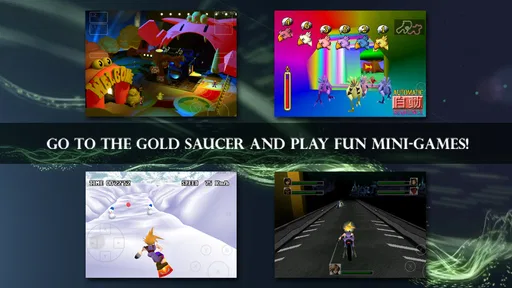
Beyond the main narrative, the game is packed with side quests and mini-games that add depth to the world. Whether it’s breeding Chocobos, mastering Gold Saucer events, or delving into hidden dungeons, there’s plenty to keep you busy.
These diversions aren’t just filler. They often provide additional lore and character development, making the world feel alive and interconnected. Plus, they’re a great way to earn extra loot and experience points!
Making side activities work for your schedule
I wouldn’t try to clear every optional activity as soon as it appears. The main story gives a useful sense of direction, while side content works best when I’m in the mood to wander or want a change from battles and dialogue. Chocobo breeding, Gold Saucer events, and hidden areas each ask for a different kind of patience, so treating them as optional detours keeps the adventure from feeling like a checklist.
A practical routine is to use a focused session for story progress and a separate, more relaxed one for exploration. For example, on a weekday evening I might follow the next objective until I reach a natural stopping point, then use another session to revisit an area or try a diversion. That makes the game easier to enjoy around everyday interruptions without pretending it is designed for quick, disposable rounds.
Optional play is also a good way to learn the game’s systems at a gentler pace. If a later stretch feels demanding, exploring and improving the party can be worthwhile, but I wouldn’t assume every side activity is necessary to understand the plot. Players who mainly want the central story can keep moving; completionists have more reasons to linger.
Who is likely to enjoy this journey
I’d recommend this Android role-playing game to someone who wants a complete, character-focused adventure and is curious about a landmark in the genre. It has drawn a 4.0 average from around 14,000 ratings, with roughly 3,300 written reviews and over 500,000 installs. Those figures suggest a sizable audience, but they don’t guarantee that its older presentation or deliberate pace will suit every player.
It is a particularly good fit for a returning fan who wants the classic version in a portable form, or a newcomer who is comfortable with retro visuals and wants to experience the original journey. I’d be more cautious recommending it to someone who expects the remake, dislikes menu-driven battles, or needs a game that can be picked up for a minute without remembering the previous scene. The Teen rating is also worth considering when choosing a game for a younger player.
Compared with many mobile RPGs built around short missions or frequent bite-sized rewards, this one asks for more continuity and patience. Its appeal is the combination of a long narrative, party decisions, and optional diversions—not a stream of quick daily tasks. That difference is useful to know before spending money: it is a better match for someone who wants to invest attention in one ongoing adventure than for someone browsing for a casual time-filler.
When a problem may be outside the game
If the experience is interrupted, I’d separate a gameplay misunderstanding from a device or session issue before changing anything. First I’d check whether the game is responding and whether I can return to the current scene; then I’d consider whether I simply need to revisit the objective, party, or Materia setup. If the whole phone is behaving oddly beyond this game, that points toward a broader device issue rather than a puzzle solved by rearranging the party.
For ordinary setup trouble, I’d confirm the Android version meets the stated minimum, close other demands on my attention, and reopen the game only if it is clearly unresponsive. I would avoid making several changes at once, since that makes it harder to tell what helped. A calm, one-step-at-a-time check is more useful than repeatedly restarting during a story sequence or battle.
My practical verdict
In conclusion, FINAL FANTASY VII isn’t just a game; it’s an experience that has stood the test of time. Its rich storytelling, strategic gameplay, and unforgettable soundtrack create a masterpiece that every gamer should experience at least once. Whether you’re playing the classic version or the remake, this is one adventure you won’t want to miss.
Ready to embark on a journey that blends fantasy with reality? Check it out and see why FINAL FANTASY VII continues to be a beloved staple in the gaming world. Happy gaming!
Verdict
Strengths of FINAL FANTASY VII
- Stunning graphics and sound design.
- Engaging story with deep characters.
- Variety of gameplay mechanics.
- Rich exploration and side quests.
- Frequent updates enhance content.
Limitations of FINAL FANTASY VII
- Large file size requires ample space.
- Can be demanding on older devices.
- Some in-app purchases are costly.
- Occasional bugs disrupt gameplay.
- Requires constant internet connection.
Other Releases by SQUARE ENIX Co.,Ltd.
View All
Manga UP!
Comics4.4

FINAL FANTASY VII EVER CRISIS
Role Playing4.0

FINAL FANTASY III (3D REMAKE)
Role Playing4.2

CHRONO TRIGGER (Upgrade Ver.)
Role Playing3.8
Similar Picks in This Category
View All
Hair Dye
CrazyLabs LTD4.4

Monster High™ Beauty Salon
CrazyLabs LTD4.5

Bus Simulator - Bus Games 3D
Jima Apps4.4

Flight Pilot: 3D Simulator
Wildlife Studios4.1


Super Stylist Fashion Makeover
CrazyLabs LTD4.4
Frequently Asked Questions
What is the gameplay like in FINAL FANTASY VII for mobile?
FINAL FANTASY VII on mobile retains the classic turn-based combat system from the original. Players engage in strategic battles, using a combination of magic, abilities, and summons. The game also includes an engaging story with rich character development. The mobile version has been enhanced with options for faster gameplay and autosave features.
Is FINAL FANTASY VII mobile version a direct port of the original game?
Yes, the mobile version of FINAL FANTASY VII is a direct port of the original PlayStation game. It features the same storyline, characters, and gameplay mechanics. However, it includes additional mobile-specific enhancements like touch controls and optimization for modern devices to improve the overall experience.
Does FINAL FANTASY VII on mobile include any new content or features?
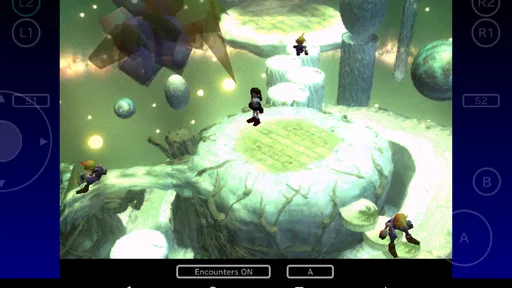
The mobile version of FINAL FANTASY VII does not include new story content, but it does offer some quality-of-life improvements. Features like the ability to disable random encounters and a max stats option allow players to customize their gameplay experience. Additionally, autosave and improved graphics enhance the mobile experience.
How much storage space is required to download FINAL FANTASY VII on mobile?
Downloading FINAL FANTASY VII on your mobile device requires significant storage space. The game is large, typically around 2 GB or more, due to its extensive content and high-quality graphics. It’s recommended to ensure you have enough available storage on your device before attempting the download.
Is an internet connection required to play FINAL FANTASY VII on mobile?
FINAL FANTASY VII does not require an internet connection to play, as it is primarily a single-player experience. However, an internet connection might be needed for initial download and updates. Once installed, you can enjoy the game offline, making it ideal for gaming on the go.
Play our best games!


